
How to Get a Scan Abroad: A Practical Guide for UK Travellers
Being injured or unwell while abroad is stressful enough. What many travellers discover - sometimes at the worst possible moment - is that getting an X-ray, MRI or CT scan in a foreign country is far more complicated than simply walking into a hospital. We explain why, and what you can do about it.
Doctorum Radiologists
Published May 2026
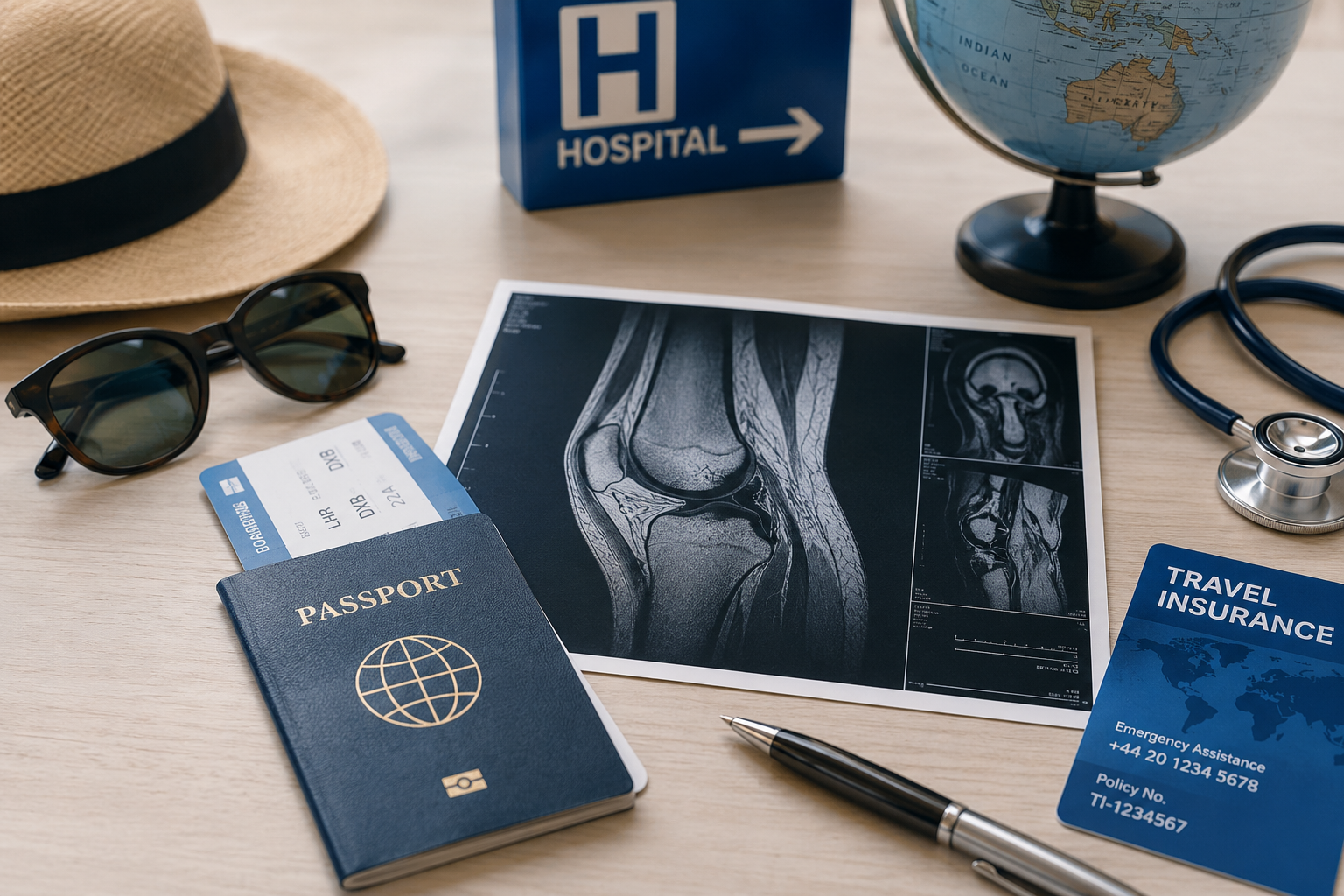
Whether it is a suspected fracture after a fall, an injury picked up on a ski slope, or a health concern that has developed during a long trip, the same problem tends to arise: the clinic requires a formal imaging request before they will proceed - and the patient has no way of providing one.
This guide explains the referral barrier, what private imaging clinics abroad typically need, and how the right documentation can make the difference between accessing a scan quickly and spending days trying to navigate an unfamiliar healthcare system.
The Referral Barrier - Why Getting a Scan Abroad Is Harder Than It Looks
In the UK, requesting an X-ray, MRI or CT scan requires a referral from a GP or hospital specialist. Most countries operate a similar system. Private imaging clinics around the world - from Spain to Thailand, from the United States to Australia - are accustomed to receiving referrals from local doctors, and many will not perform a scan on a walk-in basis without one.
For a tourist or short-term visitor, this creates a practical problem. You do not have a local GP. Getting registered with one takes time you may not have. Private doctors in tourist areas can be expensive and difficult to find at short notice. And in some cases you may know exactly what scan you need - because you have had the same injury before, or because a clinician at home has already recommended follow-up imaging - but have no practical way to access it.
40-70%
typical cost saving for planned diagnostic imaging abroad compared with UK private rates
15m+
patients travel internationally for medical care each year, with imaging a core component of most healthcare packages
£20,000+
typical starting cost of medical evacuation - making local diagnostics a far more practical first step when injury allows
What Private Imaging Clinics Abroad Typically Require
A private imaging centre will generally want to see the following before agreeing to perform a scan:
- What scan is being requested and of which part of the body
- Why the scan is clinically indicated - the presenting symptoms or injury
- Any relevant medical history - current medications, known allergies, implants
- The details of the requesting clinician or service
A structured imaging request document - such as the Doctorum Imaging Request form - provides all of this in the professional format that overseas radiographers and clinic administrators recognise. It does not guarantee acceptance at every clinic in every country, as local regulations vary. But it removes the most common barrier, which is arriving without any formal request documentation at all.
"The most common problem travellers face is not cost or language - it is simply not having the right paperwork. A professional imaging request document changes that conversation entirely."
Doctorum
Four Situations Where UK Travellers Commonly Need Imaging Abroad
The need for imaging while travelling arises in more circumstances than most people anticipate. These are the four most common.
Injury during travel
A fall, road accident or sporting injury may result in a suspected fracture, ligament damage or head injury. Knowing whether a bone is broken - and how seriously - affects how you travel home, what pain relief you can take, and whether you need surgery on your return. Accessing imaging quickly, locally, rather than waiting until you are back in the UK, is often both clinically and practically the right decision.
Monitoring a known condition
Travellers on extended trips, expatriates, or people with chronic conditions may need follow-up imaging as part of ongoing care. If you have already been told you need a scan in the UK but cannot wait for an NHS appointment, having the scan performed abroad and sending the images to Doctorum for a UK consultant radiologist report is a practical alternative that keeps your UK care team fully informed.
Planned health tourism
A growing number of people travel specifically to access diagnostic imaging at lower cost - full-body MRI screening, preventive health checks, or scans that carry a long NHS wait. Countries across Europe, Asia and the Middle East offer high-quality private imaging, sometimes with no referral required. Having documentation from a UK clinical service often makes the booking process more straightforward and provides a clearer audit trail for your GP on your return.
Peace of mind during a long trip
Long-term travellers, digital nomads and expatriates living abroad may develop symptoms they want assessed without returning to the UK. Accessing private imaging locally, with a UK consultant radiologist reporting the results, provides meaningful continuity of care wherever you happen to be.
What Is the Doctorum Imaging Request Form?
The Doctorum Imaging Request form is a professional imaging referral document, modelled on UK clinical practice, that provides overseas imaging centres with the information they need to proceed with your scan.
It includes structured fields covering:
- Your personal and contact details
- A summary of your symptoms, injury or clinical reason for the scan
- The examination required - X-ray, MRI, CT or ultrasound
- The body area to be imaged
- Relevant medical history, current medications and known allergies
The form carries the Doctorum name and contact details, giving the overseas clinic confidence that the request comes from an organised clinical service rather than an informal patient enquiry. You can request the form from Doctorum before you travel - so that you have it available if you need it - or contact us once you have identified an imaging centre abroad.
What to Do With Your Images Once You Have Them
Getting the scan performed is only half the task. Once imaging has been completed, you will receive your images - usually as a DICOM file on a USB drive, a CD, or via a secure digital link from the clinic. You will then need those images interpreted by a radiologist, and a formal written report produced that your UK GP or treating clinician can act upon.
Doctorum's remote reporting service is designed precisely for this situation. You send your DICOM files to Doctorum digitally, and a UK GMC-registered consultant radiologist with subspecialty expertise in the relevant area reviews them and produces a formal written report - typically within 24-48 hours. The report is in the format UK clinicians recognise, and can be shared with your GP on your return, with a treating clinician abroad, or with your travel insurer.
Even if the clinic abroad provides their own radiologist report - which some will and some will not - a Doctorum second opinion gives you an independent UK specialist review of the same images. Given that you may be making treatment decisions based on that report, having a review from a consultant who works within UK clinical standards provides a meaningful additional layer of confidence.
Travelling soon? Doctorum can help at both stages.
Contact us before you travel to request a Doctorum Imaging Request form - so you have the right documentation if you need a scan abroad. And if you have already had imaging performed overseas, send us your DICOM files and we will produce a formal UK consultant radiologist report, typically within 24-48 hours, at a fixed price with no GP referral required.
Get in touchA Note on Travel Insurance
Most comprehensive travel insurance policies cover emergency medical treatment abroad, which typically includes imaging where it is required as part of treating an acute injury or illness. Whether a specific scan is covered often depends on whether it was requested by a doctor as part of clinical care - which is another reason why having appropriate documentation matters at the time of the scan, not just afterwards.
Before travelling, it is worth checking your policy's position on:
- Whether diagnostic imaging is covered for acute injuries
- Whether pre-existing conditions affect your imaging cover
- Whether you need prior authorisation before attending a private imaging centre
- What documentation your insurer requires when submitting a claim - and in what language
A formal radiology report from Doctorum - in English, produced by a named UK GMC-registered consultant radiologist - is generally well-received by UK travel insurers when supporting a claim for overseas imaging costs.
Before You Travel: A Practical Checklist
Related Articles
When Should You Get a Second Opinion on a Scan?
We explain when an independent specialist review provides clarity, reassurance or meaningfully better outcomes.
Patient GuidesHow to Request Your NHS Scan Images: A Step-by-Step Guide
You have a legal right to a copy of your scan images, free of charge. Here is exactly how to request them.